Adobe MAX 2026: 5 announcements that change how Indian D2C brands make ads
Most MAX coverage is written for American agencies with big teams. Here’s what this year’s launches mean for a five-person D2C brand in Delhi, Bengaluru or Mumbai that ships ads every week.
Quick summary
- Adobe spent MAX 2026 on agents: a Creative Agent across Firefly and Creative Cloud, and previews of AI assistants working inside real Photoshop and Premiere files.
- Brand Intelligence with Intelligent Reflow targets the costliest part of a D2C launch: resizing one key visual into every format.
- Firefly Quick Actions and 3D Digital Twin make packaging changes possible without a reshoot.
- Before adopting anything, write down your brand rules and get clean packshots; most of the new tools depend on both.
Summary by Neeraj. Prefer an AI take? Ask Google AI to summarise it (opens in a new tab).
Adobe MAX ran in Miami Beach from 10 to 12 November, and the opening keynote alone ran over two and a half hours. If you run marketing for an Indian D2C brand, you didn’t have time to watch it, and you shouldn’t have to. We did, because we make ads for brands like yours every week, and the tools we use are about to change.
The short version: Adobe spent this MAX on agents. Its Creative Agent now sits inside Firefly and most of Creative Cloud, third-party AI agents will soon be able to edit your actual Photoshop and Premiere files, and Firefly has turned into one studio that pulls in image, video and audio models from several companies. Underneath the AI headlines are a handful of changes that matter far more to a small brand team than any demo did.
1. One key visual, every size: Brand Intelligence and Intelligent Reflow
The most expensive part of a D2C launch isn’t the hero image. It’s the forty resizes that follow: 1:1 and 4:5 for the Meta feed, 9:16 for Reels and Stories, landscape banners for your website, marketplace tiles for Amazon and Flipkart, and a WhatsApp catalogue image that someone always forgets.
Adobe’s Brand Intelligence is an agent that learns your brand standards and checks work against them. At MAX it gained Intelligent Reflow, which adapts a design to new sizes and layouts, and Adobe says Brand Intelligence is coming into Photoshop, Illustrator and InDesign rather than staying inside its enterprise GenStudio product.
“Adobe Brand Intelligence, an agent that continuously learns and enforces brand standards”
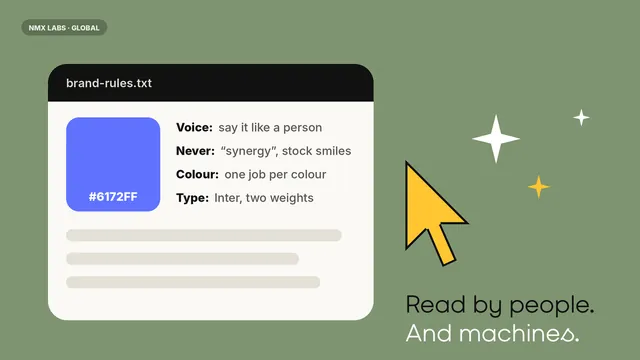
What it means for you: resizing should stop being billable designer time. The catch is that “learns your brand standards” only works if you have standards written down. If your brand lives in one founder’s head and a Canva folder, this is the month to fix that. Our startup branding checklist covers what to document.
2. Product ads without a reshoot: Quick Actions and 3D Digital Twin
Firefly now has Quick Actions, a gallery of ready-made workflows that ranges from one-step fixes like removing an object or making a thumbnail to guided flows such as Build Product Ad. Alongside it, Firefly Image added Edit Object, which changes one part of an image and leaves everything else alone, plus Relight and Retouch.
On the enterprise side, Adobe announced Firefly 3D Digital Twin, which builds a precise 3D replica of a product so teams can change labels and materials and generate new product images without booking a shoot every time a detail changes.
What it means for you: Indian D2C brands change packaging constantly: a festive sleeve for Diwali, a new MRP sticker, a regional-language variant, a combo pack for a sale. Relighting and editing a single element of an existing packshot is now a few minutes of work. Digital Twin is aimed at large teams today, but expect the idea to trickle down. Our rule stays the same either way: never let a model redraw your label, logo or claims. Generate the scene, then place the real product artwork on top.
3. Agents that work inside your real files: local MCP integrations
This was the headline for anyone who works in Creative Cloud all day. Adobe is previewing local MCP integrations for Photoshop, Illustrator, Premiere and After Effects. MCP is the protocol AI assistants use to talk to other software, and here it lets the agent you already use make changes to your project files on your own machine, with layers, sequences and compositions staying editable.
Separately, the Adobe Creative Agent now powers AI assistants (in beta) inside Illustrator, Premiere, InDesign, After Effects and Frame.io, and Adobe already offers connectors for assistants from Anthropic and OpenAI, with Google and Microsoft partnerships expanding.
What it means for you: the boring half of production can be delegated without flattening your files. Think “make a Hindi, Marathi and Tamil version of these twelve PSDs using this copy sheet” or “swap the price on every frame of this After Effects template.” A human still has to check every output, especially Indic typography, where line breaks and conjuncts go wrong easily. But the work arrives as layered files you can fix, not as flat images you have to redo.
4. Video that fits a reels workflow: Premiere Color Mode and Premiere on Android
Premiere got Color Mode, a dedicated colour-grading workspace that Adobe pitched as the biggest upgrade for video editors this year. Adobe also said its Premiere mobile app is coming to Android, alongside new music licensing deals for the mobile app.
What it means for you: Android is how most of India shoots. A creator or in-house team member can now start an edit on the phone that recorded it and finish it in Premiere on a desktop, with consistent colour across a campaign. Consistent colour is an underrated brand asset; it’s a big part of why a feed looks like one company and not five freelancers.
5. One studio instead of five subscriptions: Firefly’s multi-model setup
Adobe has repositioned Firefly as an “AI creative studio” that brings its own models together with partner models from Google, OpenAI, ByteDance, Kling, ElevenLabs and Topaz Labs, plus new spaces like Firefly Design (beta), a single canvas for illustration, image editing, animation, 3D and print, and Firefly Graph (beta) for building repeatable workflows.
What it means for you: many small teams are paying separately for an image generator, a video generator, a voice tool and an upscaler, then moving files between them by hand. Consolidating into one place is a real saving in money and in lost files. Before you consolidate, check two things for your use case: which partner models count against your Firefly credits, and whether the voice and audio models handle the Indian languages you need. Don’t plan a regional voiceover campaign around an assumption.
What we’re not changing
A lot of what was announced is labelled beta, preview or private beta, and MAX demos are rehearsed. We’ll adopt things when they hold up on real client work, not on a keynote stage. Three things stay fixed in our process regardless:
- The idea comes first. No tool on that stage writes a better brief. A weak concept produced faster is still a weak ad.
- Humans approve every frame. Agents make confident mistakes, and in India a wrong price, a mistranslated claim or a missing disclaimer can be a regulatory problem, not only an embarrassment.
- Source files stay layered. The local MCP approach is exciting precisely because it keeps files editable. Anything that hands back flat images is a step backwards for a brand that has to iterate.
What to do this month
- Write down your brand rules: logo usage, colours with codes, type, tone and the claims you’re allowed to make. Every brand-aware tool above depends on this.
- Audit your packshots. If you don’t have clean, high-resolution product images on plain backgrounds, book that shoot once. Everything AI does with your product starts from them.
- List the repetitive production work your team did last month (resizes, language versions, price swaps). That list is your shortlist for agent workflows when they leave preview.
- Try the free previews before you pay for anything new. Adobe has opened an Adobe Labs Playground with two of this year’s Sneaks.
If you want the full keynote and Sneaks recordings, they’re on Adobe’s on-demand sessions page, and we’ve collected the shorter recaps on our videos page.
Image credits
- *1 Hero illustration and infographics: original artwork by NMX Labs.
Related reading
 Adobe · Most readLatest Adobe AI updates, 21 November 2026: what’s live, what’s beta, and what changed since MAX
 Adobe · Most readAdobe MAX 2026 Sneaks: all 10 projects, ranked by how useful they are for brand work
 BrandingThe startup branding checklist: what to have ready before you launch
 Watch on YouTubeAdobe MAX 2026 keynote highlights
More from Neeraj, our AI design expert, or browse every Design news post.

Comments
Questions, corrections or your own experience with this? Add it below. We read every comment and publish it after a quick check for spam.