Everyone hated the John Lewis Christmas ad. The testers loved it. Who’s right?
Gloria and Pickles got mauled online, comments switched off and all. Then System1 gave it 5.6 stars, John Lewis’s best festive score since 2019. Both things are true, and the gap between them is the most useful lesson in advertising this Christmas.
Key takeaways
- John Lewis’s 2026 Christmas ad, Gloria and Pickles, starring Dame Kristin Scott Thomas, drew a fierce online backlash and had its YouTube comments switched off.
- Yet System1, which tests ads on panels of ordinary viewers, scored it 5.6 stars, the retailer’s strongest festive result since Excitable Edgar in 2019.
- Online reaction comes from a loud, self-selected few; effectiveness testing measures how typical viewers feel. They answer different questions.
- Don’t let the comment section write your next brief, but do listen when the backlash is about value or tone, because that can cost you trust.
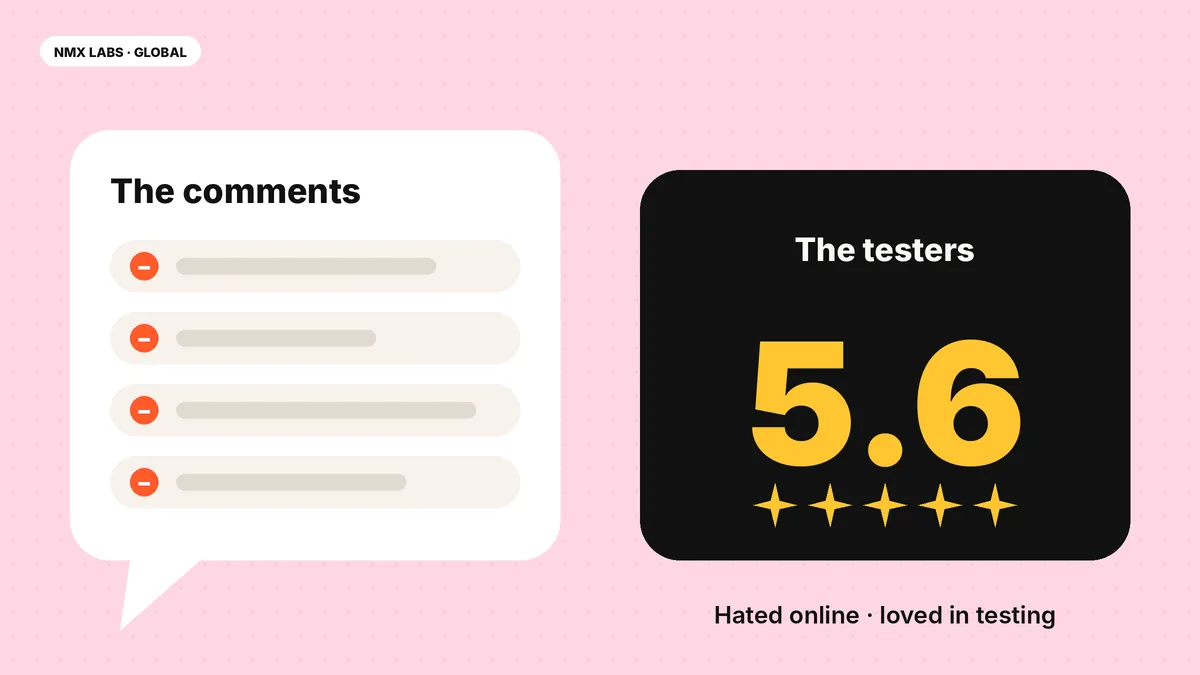
Every November, Britain does two things. It puts the heating on, and it argues about the John Lewis Christmas ad. This year the argument was louder than usual, and on paper it was a rout. The internet hated it. The professional testers loved it. Somebody’s wrong.
Or nobody is. Pour a tea; this one’s more interesting than it looks.
What happened
John Lewis released its 2026 Christmas ad, Gloria and Pickles, on 3 November1. Dame Kristin Scott Thomas plays Gloria, a grandmother whose grandchildren aren’t impressed by her old toys, including a pull-along dog called Pickles. The intended message, according to the coverage, is “don’t give up on giving”: choose a thoughtful present rather than stuffing cash into an envelope2.
A lot of viewers read it differently. The complaint, roughly: the kids are rude, Gran spends money to win them over, and the moral of the story is “shop at John Lewis”. Some called for a boycott; the ad’s YouTube comments were switched off; one widely shared post said it had five times as many dislikes as likes3.
And then the plot twist. System1, a company that rates ads for their likely effect on long-term brand growth, gave it 5.6 stars, which Creative Bloq reports is John Lewis’s strongest festive result since Excitable Edgar in 20191.
How can it be hated and brilliant?
Because the comment section and a testing panel are answering different questions.
- Who’s talking. Online reaction comes from people who chose to post. That’s a small, motivated, often irritated slice of the audience. A testing panel is recruited to look like normal viewers, most of whom would never comment on an ad in their lives.
- What’s measured. Comments measure what people are willing to say in public. Effectiveness testing measures how people feel while watching, which is what tends to stick in memory and nudge them later in a shop.
- When it’s measured. A pile-on peaks in 48 hours. Brand memories are built over weeks of repeated viewing, mostly by people half-watching TV with a mince pie.
So yes, an ad can be a meme for all the wrong reasons on Tuesday and still work by Christmas. It’s happened before, and the internet is not, as it turns out, a representative sample of anything.
How we checked this
On 24 November 2026 we compared coverage from Creative Bloq, regional UK press and the summaries of social reaction on X, and separated what was reported as fact (release date, cast, the System1 score, comments being switched off) from opinion (whether the ad is any good). We haven’t seen System1’s full report, so we only quote the headline score as reported.
When the backlash is worth listening to
Here’s where I part ways with the “ignore the haters” crowd. Not all backlash is noise. The useful question is what people are angry about.
If they’re angry about taste (the music, the casting, the vibe), that’s noise. Let it pass. If they’re angry about values, listen harder. A lot of this year’s criticism was really about money: an ad suggesting that the fix for distant grandkids is expensive shopping landed in a season when plenty of households are counting every pound. That’s not a creative critique. That’s a reading of the brand, and it can stick around longer than one ad.
The 5.6 stars tell you the ad will probably do its commercial job. They don’t tell you whether you’ve nudged some people’s view of you from “warm” to “a bit smug”. Both numbers matter. Only one of them is on the dashboard.
What brand teams should take from it
Whether you’re a UK retailer, a US challenger brand or a D2C startup in India planning Diwali, the same lessons apply:
- Test before you launch, with real people. Not your team, not your agency, not your loudest followers. A small, representative panel beats a big, noisy one.
- Read the comments for themes, not volume. Ten people angry about price is a signal. A thousand people doing a joke is a trend that will pass.
- Write the moral down before the script. If your story could be summarised as “buy more stuff to be loved”, someone will summarise it that way for you.
- Don’t switch off the conversation unless you must. It looks defensive. A calm reply beats a locked door.
Quick answers
What is the John Lewis Christmas ad 2026 called?
Gloria and Pickles. It was released on 3 November 2026 and stars Dame Kristin Scott Thomas as Gloria, a grandmother trying to win over her grandchildren at Christmas.
Why was the John Lewis 2026 ad criticised?
Viewers said it rewarded rude children and suggested that spending money is how you earn love at Christmas, which felt out of touch during a cost-of-living squeeze. Its YouTube comments were switched off.
Was the John Lewis 2026 ad effective?
By System1’s measure, yes. It scored 5.6 stars, reported as John Lewis’s best festive result since Excitable Edgar in 2019, which suggests strong emotional response among ordinary viewers despite the online backlash.
The bottom line
The internet hated it. The panel loved it. Both were telling the truth about different people. The skill in marketing isn’t picking a side; it’s knowing which number answers which question, and listening when the anger is about your values rather than your soundtrack.
Now if you’ll excuse me, I’m off to give someone cash in an envelope. Sorry, Gloria.
Notes and sources
- Creative Bloq, 5 November 2026: The John Lewis Christmas advert is getting a mauling (System1 5.6 stars; agency history) ↩
- Teesside Live, 3 November 2026: John Lewis Christmas 2026 advert sparks backlash (cast, message) ↩
- X trending summary, November 2026: John Lewis 2026 Christmas ad draws backlash (comments switched off; reaction) ↩
Image credits
- *1 Hero illustration: original artwork by NMX Labs. No brand logos are reproduced.
Related reading
 Brand storiesAmul made memes before the internet: what 60 years of topical ads teach brand teams about moment marketing
 Brand storiesWhy CRED made Rahul Dravid smash a car mirror: the against-type casting playbook
 AI design · Most readCadbury’s “Not Just a Cadbury Ad”: the AI personalisation campaign that came too early
- Watch on YouTubeVideo explainers: John Lewis Christmas ad 2026
More from Neeraj, or browse every Global post.

Comments
Questions, corrections or your own experience with this? Add it below. We read every comment and publish it after a quick check for spam.